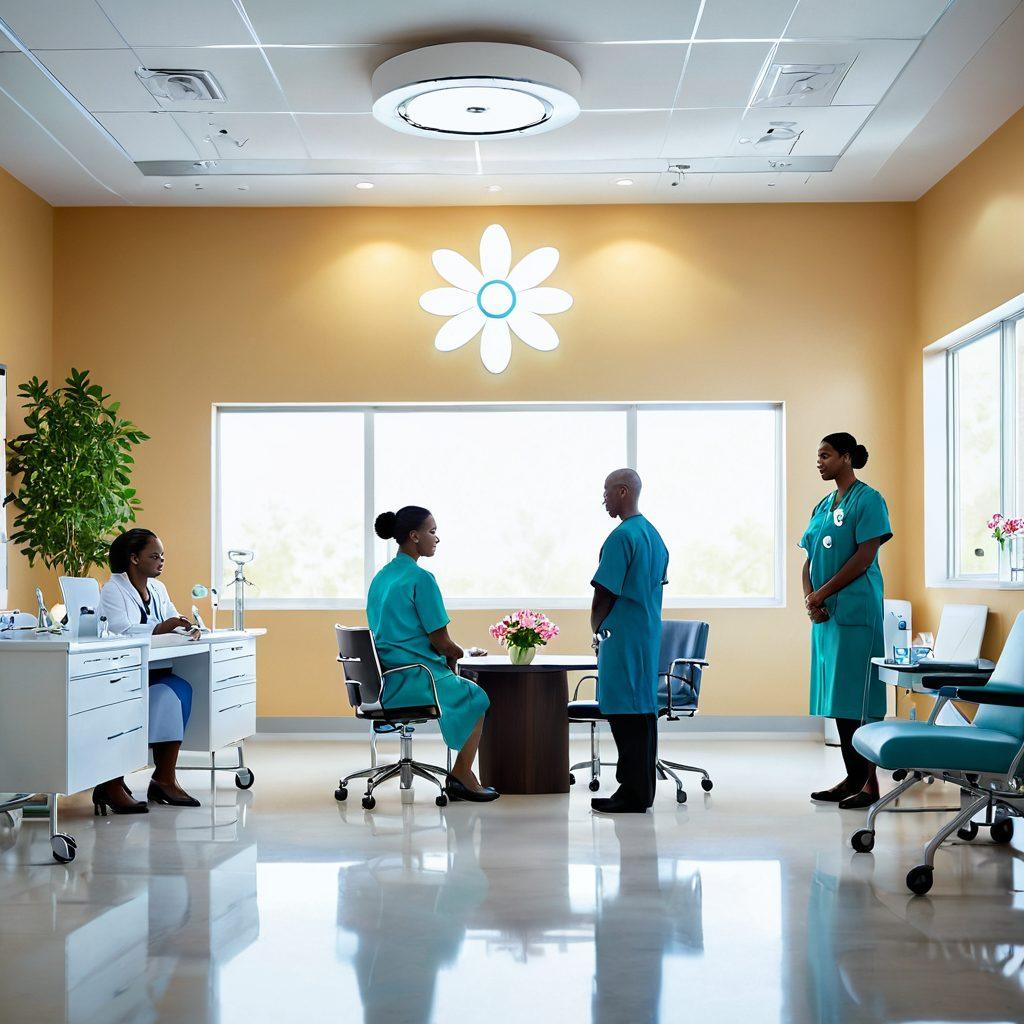
Navigating Cancer Care: The Latest in Oncology Treatments and Patient Support
In recent years, the landscape of oncology has seen a remarkable transformation, providing new hope and healing for millions battling cancer. Whether it's a diagnosis of carcinoma, neoplasm, or any form of malignancy, the latest advances in cancer treatment have reshaped the way patients experience their journey through cancer care. The question many might ask is: How do these innovations impact the lives of cancer survivors, and what does it mean for the future of cancer therapy?
Imagine sitting in a doctor's office, heart pounding, waiting to hear the results of a cancer screening. The words "tumor" or "malignancy" can strike fear into the core of anyone. But with the latest research in oncology, many of those fears are being alleviated. Doctors are implementing cutting-edge treatments such as immunotherapy, which harnesses the body's immune system to target and destroy cancer cells. It’s not just about warfare against cancer; it's about creating a partnership between science and the body, leading to more personalized and effective treatment options. How empowering is that?
Moreover, advances in chemotherapy and radiation therapy have come a long way since their inception. Personalized medicine is the new mantra that encourages tailored treatments to suit individual patient needs. The effectiveness of these cancer therapies is being monitored closely through clinical trials, which serve as a breeding ground for discovery. Community outreach and awareness campaigns are crucial here; they encourage patients to participate in these trials and engage in health education to understand their options better. Are we doing enough to advocate for more knowledge in our communities?
In the realm of support, the role of nurse support and psychosocial support cannot be understated. Navigating a cancer diagnosis is not just about physical health; it extends into emotional realms, where support groups and online forums become lifelines for sharing experiences and providing comfort. The journey doesn’t have to be traveled alone. With the vast array of information resources now available, from health blogs to informational articles, we are in a better position than ever to foster an informed patient base. How can we continue to leverage these resources for improved wellness and holistic health?
Lastly, advancements in cancer prevention through lifestyle changes and healthy living are increasingly important in our fight against this disease. Statistics reveal that leading a balanced lifestyle can prevent many types of cancers. As we continue to unpack these latest advances in oncology, it's critical to remember the power of community and individual agency in health choices. Together, through patient advocacy and shared learning, we can nurture a culture of awareness and proactive approaches to cancer care. When it comes to tackling cancer, let’s remember: knowledge is power, and together, we can foster an environment of support for those facing the fight of their lives.
Empowering Patients: Support Systems and Resources for Cancer Survivors
In the journey of cancer care, the path is often filled with uncertainty and challenge, but it is also paved with hope and determination. For cancer survivors, the battle does not end with a diagnosis of malignancy, such as carcinoma or a neoplasm. Instead, it transforms into a lifelong commitment to wellness, rehabilitation, and empowerment. In this blog post, we will delve into the support systems and resources available for cancer survivors, ensuring that they not only navigate their diagnosis but thrive in the face of adversity. How do we empower individuals facing such daunting realities? By providing comprehensive cancer support and advocacy.
Support groups and community outreach initiatives are invaluable resources for cancer survivors. These networks foster a sense of belonging and understanding, as they bring together individuals who share similar experiences. As one cancer survivor put it, “In sharing our stories, we find solace and strength.” Cancer survivors can often feel isolated; however, these support systems offer a safe space to explore feelings, ask questions, and discuss treatment options like chemotherapy, radiation therapy, and promising advancements in immunotherapy. How can we encourage more of these vital gatherings? By raising awareness and sharing information resources that highlight their immense benefits.
The role of health education in cancer care cannot be overstated. Equipping survivors with knowledge about their condition, such as understanding cancer statistics and the importance of cancer screenings, is a pivotal element of patient advocacy. Awareness campaigns play a crucial role in bringing attention to the importance of early detection and lifestyle changes that promote healthy living. Engaging in health blogs and informational articles can empower survivors to take an active role in their recovery and make informed choices about their health.
Palliative care is another essential component of cancer therapy. This approach focuses on providing relief from symptoms and stress caused by cancer and its treatments. Compassionate nurse support and psychosocial support are key in this regard, addressing both the physical and emotional needs of survivors. When patients feel supported emotionally as well as physically, the path to recovery seems less daunting. The question is, how can we ensure that every survivor has access to high-quality palliative care? By advocating for holistic health approaches that prioritize wellness and quality of life after cancer diagnosis.
Lastly, the landscape of cancer care is continually evolving thanks to clinical trials and ongoing research. Survivors now have access to cutting-edge therapies that may not have been available in the past, enhancing their hope for a healthier future. Engaging with online forums and seeking out communities that discuss the latest research can keep survivors informed and empowered about their treatment options. Navigating cancer survivorship is a lifelong journey, but with the right support systems and resources at their side, survivors can navigate this path with resilience and hope. So, what are you doing today to support and uplift the cancer survivors in your community? Together, we can make a difference.
Behind the Scenes of Cancer Care: From Screening to Survivorship
When it comes to cancer care, few topics stir as much interest and emotion as the journey from screening to survivorship. Every year, millions face a cancer diagnosis, compelling questions about what happens behind the scenes in oncology practices. From the chilling words 'you have cancer' to the hopeful phrase 'cancer survivor', understanding this journey can illuminate the importance of early detection, treatment advancements, and holistic support systems. How can we create a culture that not only prioritizes cancer prevention but also emphasizes the value of patient advocacy and community outreach?
Imagine being at a bustling oncology clinic where healthcare professionals are working diligently to combat malignancies of all types. Here, cancer screening is not just a protocol; it’s the gateway to a personalized treatment journey. With statistics showing that early detection can dramatically impact survival rates, proactive measures like mammograms or screenings for neoplasm are crucial. But how often do we advocate for ourselves or encourage loved ones to take the first step? Engaging in health education can not only enhance our understanding of cancer therapy options like chemotherapy, radiation therapy, and emerging immunotherapy but also foster a proactive approach to cancer care.
As we delve deeper into the cancer care journey, it’s essential to highlight the rigorous process that follows a cancer diagnosis. From the initial assessment of tumors and carcinomas to the emotional rollercoaster of treatment decisions, patients often find themselves in the midst of clinical trials or facing side effects from traditional therapies. For many, integrating holistic health practices and making lifestyle changes can become pivotal in managing this turmoil. What if a balanced diet or joining a support group made a significant difference in one’s experience? These small steps often tip the balance toward healing, both physically and emotionally.
Palliative care is another crucial aspect of navigating cancer, often misunderstood yet incredibly valuable. It focuses on the quality of life, ensuring patients and their families can maintain dignity and comfort throughout treatment. The role of nurse support and psychosocial support is indispensable during this stage. If every word spoken or action taken in the clinic could dissolve fear and instill hope, wouldn't we all advocate vigorously for palliative strategies that truly resonate with the patients' needs?
In the end, the road to recovery is paved with resilience and resources. Cancer survivors often reflect on their journey, sharing insights into what helped them endure the most challenging of times. Whether through health blogs or online forums, there's a wealth of information that is both uplifting and educational. For those walking this path, remember that wellness is not just a destination but a continuous journey, filled with knowledge, community, and above all, hope. Let us continue to support one another in spreading awareness about cancer care and how we can navigate its complexities together.